Simple process concept
Coating, drying, handling and heat press bonding can be considered according to the part and process.
 Brilliant creative technology
CAM Bonding
CAM bonding is a bonding technology based on the Chemical and Melting concept. A thin CAM layer is formed and bonded by heat and pressure at the required timing.
CAM bonding aims to provide bonding that is easy to use like an adhesive and thin like a surface treatment. The technology is evaluated according to the material combination, required function and process conditions.
Coating, drying, handling and heat press bonding can be considered according to the part and process.
The CAM layer is used as a thin bonding interface, making it suitable for applications where thick adhesive build-up is undesirable.
CAM bonding can be evaluated for metals, resins, glass, ceramics and composite components.
A thin CAM layer is applied, dried, handled and bonded by heat press or thermal compression according to the application.
Apply a thin CAM layer to the target surface.
Form a thin interfacial bonding layer.
Parts can be handled after drying depending on the design.
Bond at the required timing using heat and pressure.
The thin interfacial layer contributes to dimensional control and low thermal resistance concepts.
The technology can be evaluated for metal, glass, ceramic, resin and semiconductor-related components.
Bonding strength, heat resistance, insulation and sealing are considered according to the use case.
CAM bonding can be discussed for applications where thin bonding, dissimilar material bonding or functional interfaces are required.
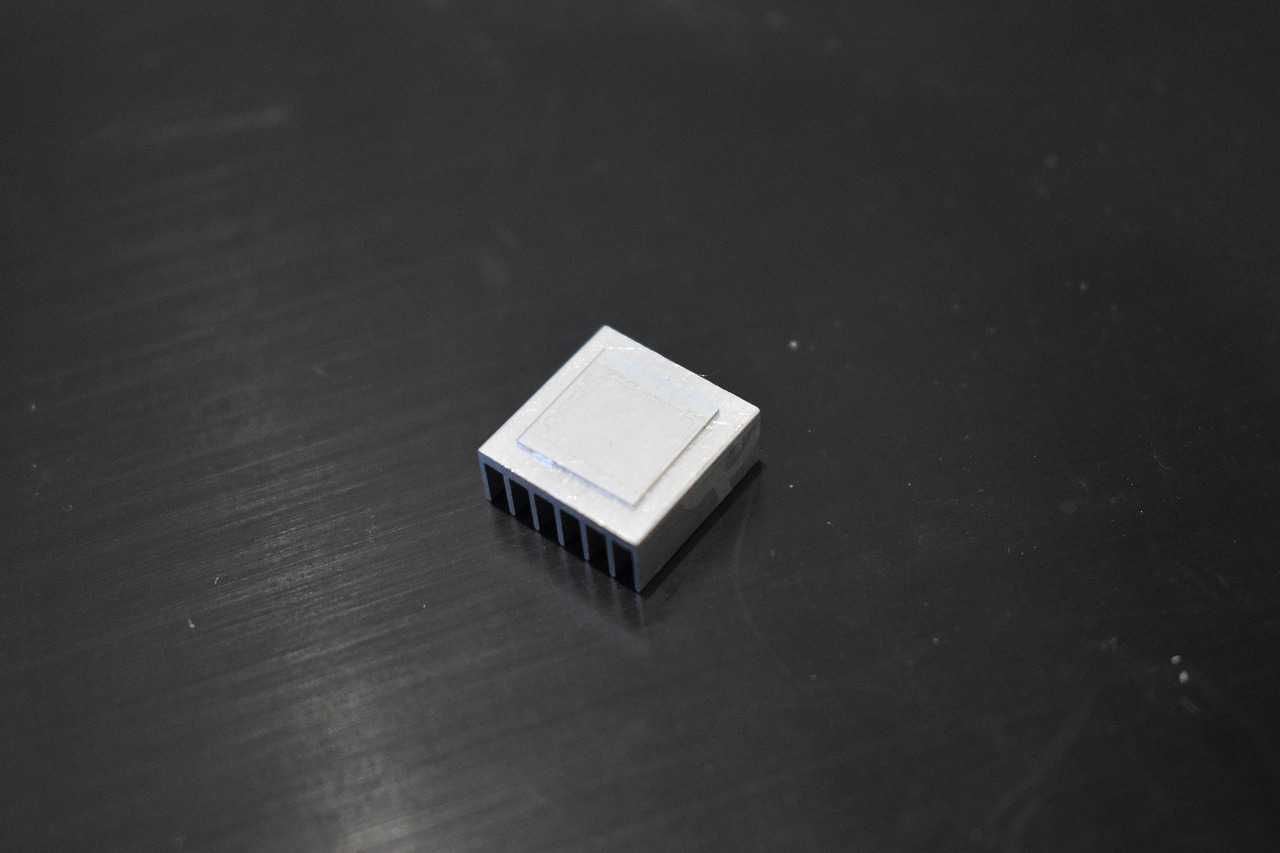
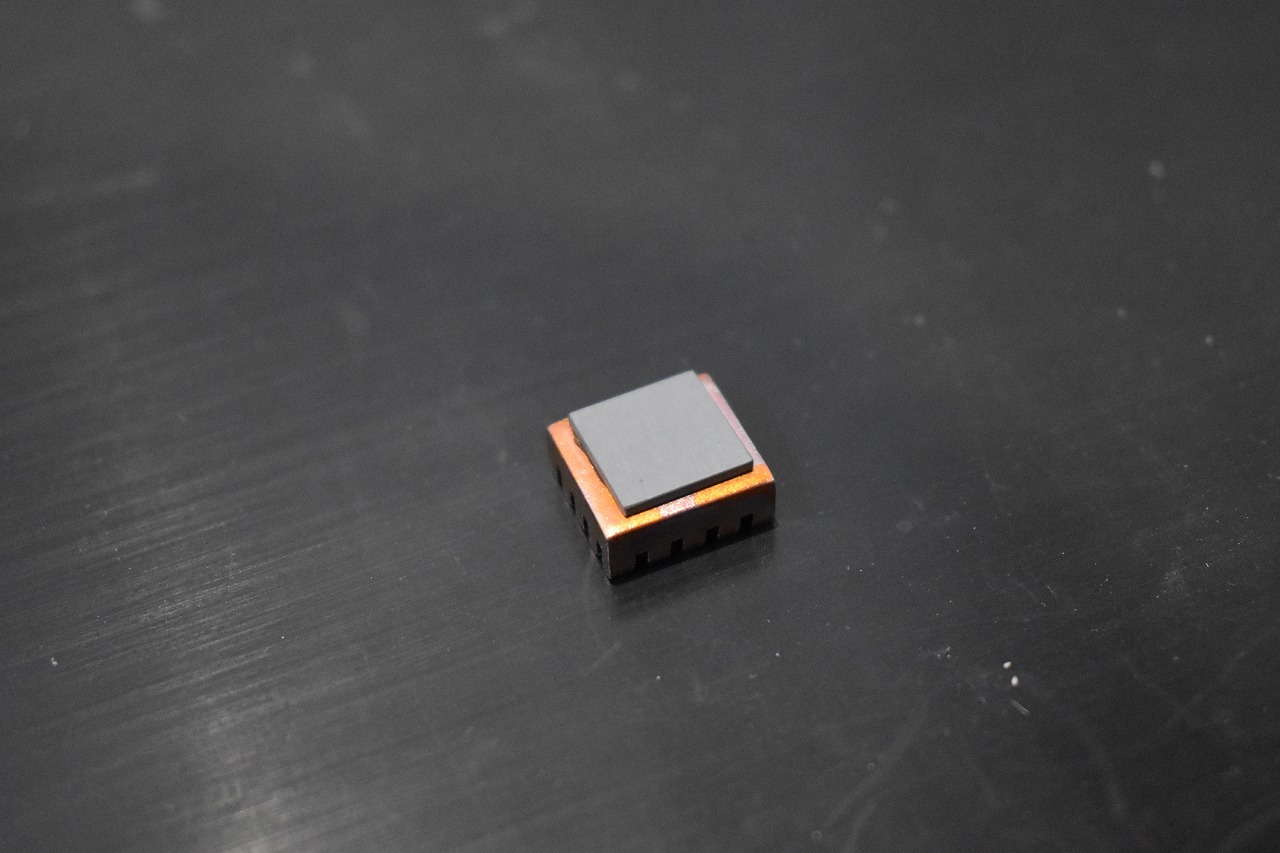
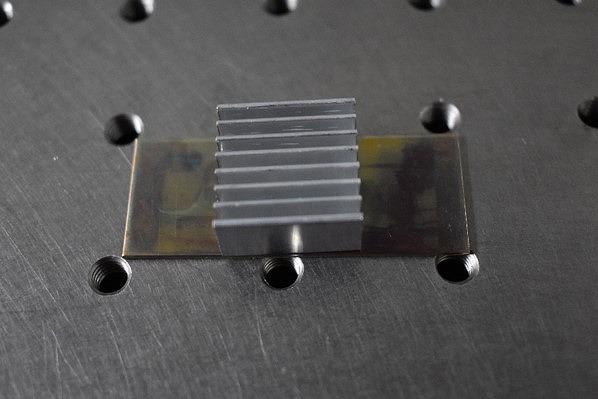
Heat sinks, power electronics components and related thermal parts.
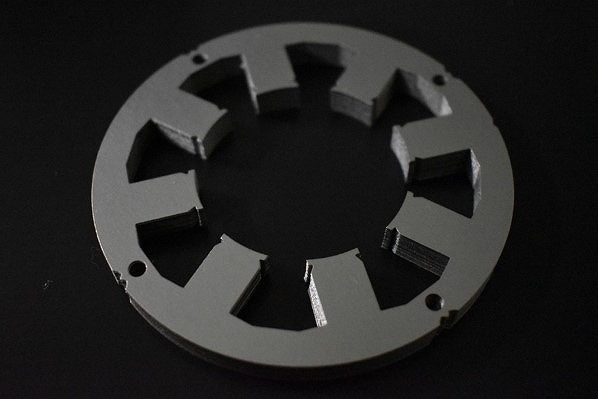
Motor cores, aluminum/copper parts and other laminated components.
Cooling plates and parts requiring sealing or liquid resistance.
Metal bonding with direct short-circuit suppression.
Lightweight and composite material components.
Optical, sensor and hard material components.
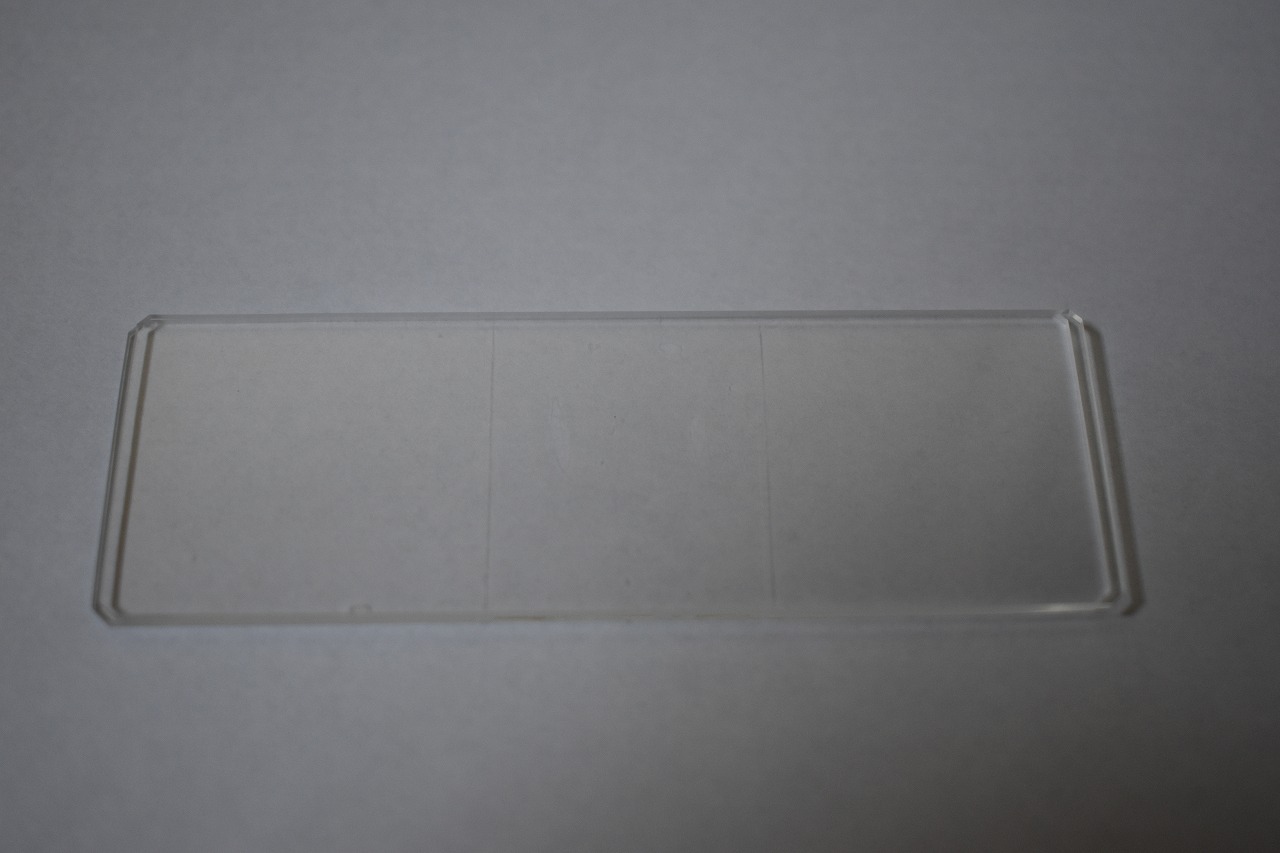
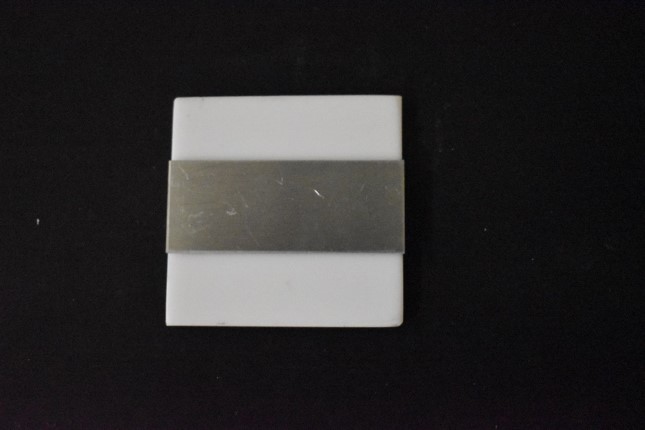
Examples of prototype bonding and evaluation samples are shown to illustrate possible applications.